Fragment, a San Francisco startup whose software resolves purchasing and payment problems for large manufacturers and distributors, launched publicly on October 28 with $56 million in funding. The total includes a Series A led by 8VC and an earlier seed round co-led by General Catalyst and A*, the company said; it did not say how the money splits between them. Axios, which had the news as an exclusive, said 8VC led the Series A portion of the $56 million.
The Fragment funding arrives with a customer already in place and a different way of charging. Fragment bills for the work its agents complete rather than per user seat, the company said, and it is working with Graybar, which processes roughly 3 million invoices a year.
What Fragment does
Direct procurement covers the parts and materials a manufacturer buys for its products. Pranav Mulgund, Fragment's co-founder and CEO, wrote in his launch post that a changed order, a partial delivery or an invoice that doesn't match the contract each sends someone digging through several systems to work out what happened and fix it. At Graybar, 80% of invoices need some form of resolution, he wrote.
Fragment's Autonomous Context Engine maps a customer's ERP, procurement tools, documents and the know-how of its staff into a model of how the business runs, and Fragment's agents use that model to investigate each exception and carry out an approved fix, according to the release. The engine works on data where it already sits, so customers do not have to move it into a new system first. Mulgund said in the release:
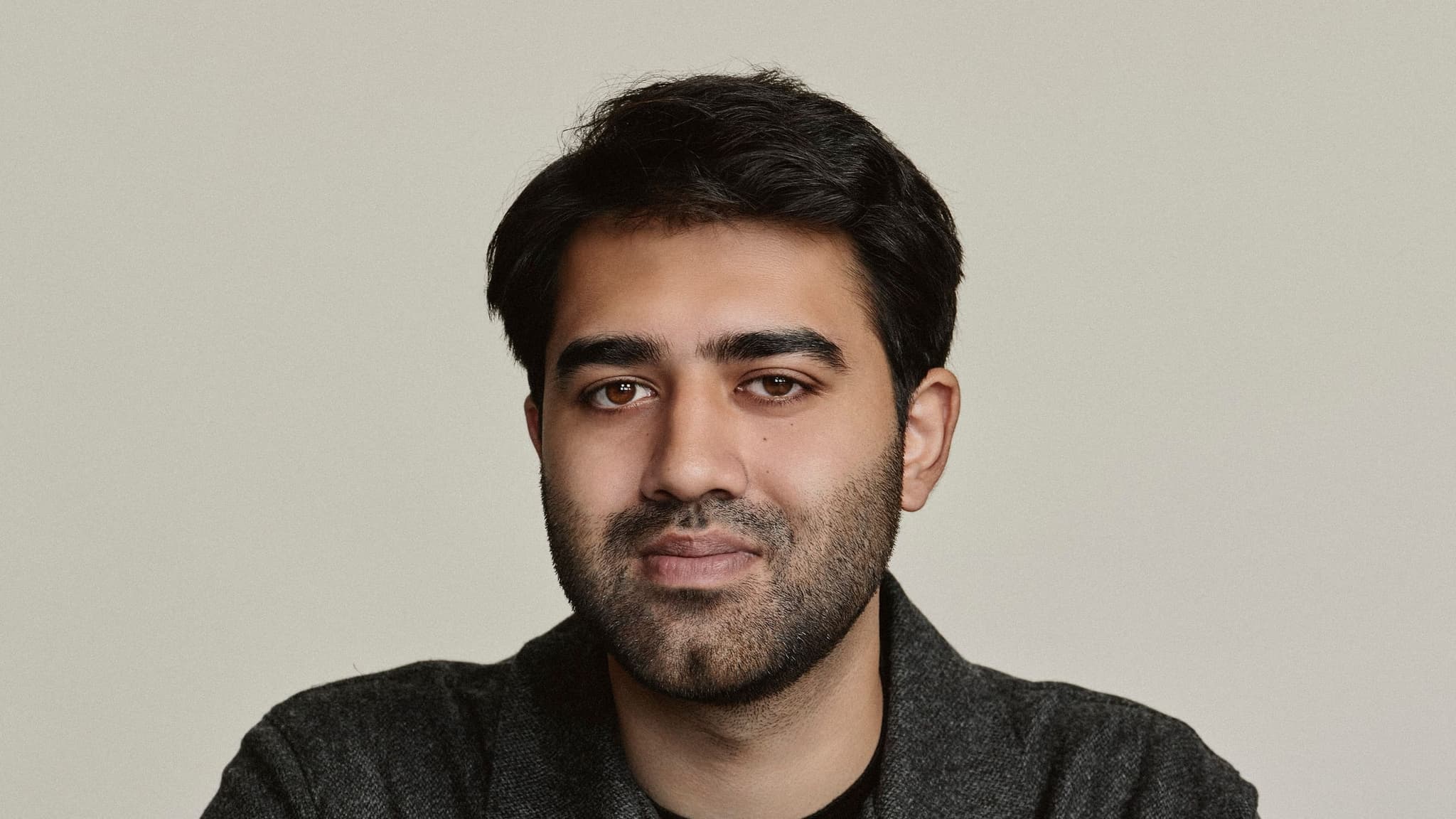
Procurement teams have spent too much of their time chasing discrepancies across systems.Pranav Mulgund, co-founder and CEO of Fragment
Who invested, and why
Fragment's investors include 8VC, General Catalyst and A*, and its angel investors include Roelof Botha, the former head of Sequoia Capital, and Nikesh Arora, chairman and CEO of Palo Alto Networks (Nasdaq: PANW). Jack Moshkovich, a partner at 8VC, said Fragment was built from the start for companies with enormous scale and thousands of dependencies:
Most software companies earn their way into the enterprise over time. Fragment started there.Jack Moshkovich, partner at 8VC
What the money is for
Fragment will spend the money developing the engine, extending it across source-to-pay, the chain of work from choosing suppliers to paying them, and deploying it at more large enterprises, the company said. Mulgund wrote that procurement is the starting point and that Fragment's ambitions extend further.
The company at fragment.ai is not the same business as Fragment at fragment.dev, which makes ledger and payments software for AI agents.