Amazon (Nasdaq: AMZN) said on October 29 that revenue at Amazon Web Services, its cloud computing unit, rose 39% to $46.0 billion in the third quarter, which ended September 30. The growth rate was AWS's fastest since the fourth quarter of 2021, and the unit's operating income rose 55% to $17.8 billion.
The company as a whole fell short of Wall Street's forecasts, though not its own. Net sales rose 12% to $201.9 billion and diluted earnings per share fell to $1.89 from $1.95, against the $202.31 billion and $1.96 that analysts polled by LSEG expected, CNBC reported. Amazon's July forecast was net sales of $197.0 billion to $202.0 billion and operating income of $22.5 billion to $26.5 billion. The shares were down more than 7% in extended trading, according to the CNBC story as updated at 5:48 p.m. ET. Amazon said moving Prime Day into the second quarter in most large countries cost about 4 points of sales growth.
Free cash flow, as Amazon defines it, was an outflow of $42.4 billion over the 12 months to September 30, against an inflow of $14.8 billion a year earlier, mainly because of a $94.8 billion rise in capital spending that "primarily reflects investments in artificial intelligence," the company said.
Third quarter | 2026 | 2025 | Change |
|---|---|---|---|
Net sales ($B) | 201.9 | 180.2 | +12% |
AWS net sales ($B) | 46.0 | 33.0 | +39% |
AWS operating income ($B) | 17.8 | 11.4 | +55% |
Operating income ($B) | 28.1 | 17.4 | +61% |
Operating margin | 13.9% | 9.7% | +4.2 points |
Net income ($B) | 20.7 | 21.2 | -2% |
Diluted EPS | $1.89 | $1.95 | -3% |
Free cash flow, 12 months ($B) | -42.4 | 14.8 | n/a |
Source: Amazon's third-quarter release. GAAP figures except free cash flow, Amazon's own measure: operating cash flow minus capital spending net of proceeds and incentives. Changes are SaasBuzz calculations.
Operating income rose 61% to $28.1 billion, above the top of the July forecast, for a 13.9% margin that Amazon called its highest ever. The year-earlier quarter carried $4.3 billion of special charges, a $2.5 billion Federal Trade Commission settlement and $1.8 billion of estimated severance; without them, Amazon said then, operating income would have been $21.7 billion, which puts this quarter's increase at about 29%. AWS's year-earlier result also included severance costs.
Net income fell 2% to $20.7 billion, mainly because the year-earlier quarter included $9.5 billion of pre-tax gains on Amazon's investments in Anthropic, the company said. Advertising revenue rose 11% to $19.6 billion, or 12% excluding currency, slowed by what Amazon called timing anomalies, mainly the Prime Day move. Excluding currency, it had grown 22% to 26% in each of the five previous quarters.
Six quarters of faster AWS growth
AWS's growth has risen in each of the last six quarters, from 16.9% in the first quarter of 2025, by SaasBuzz's calculation. On Amazon's own measure, which excludes currency moves, growth bottomed at 12% in mid-2023 and had not reached 39% since it hit 40% in the fourth quarter of 2021, the company's results for that period show.
Quarter | AWS revenue ($B) | Growth | Operating margin |
|---|---|---|---|
Q4 2024 | 28.8 | 18.9% | 36.9% |
Q1 2025 | 29.3 | 16.9% | 39.5% |
Q2 2025 | 30.9 | 17.5% | 32.9% |
Q3 2025 | 33.0 | 20.2% | 34.6% |
Q4 2025 | 35.6 | 23.6% | 35.0% |
Q1 2026 | 37.6 | 28.4% | 37.7% |
Q2 2026 | 42.2 | 36.8% | 39.4% |
Q3 2026 | 46.0 | 39.3% | 38.7% |
Source: Amazon's quarterly results releases; growth from a year earlier as reported, calculated by SaasBuzz. None of the figures was restated in later releases. The Q3 2025 margin includes severance costs; the Q2 2026 margin includes a gain of about $600 million on energy contracts, mostly in AWS, according to the company.
Growth came in above forecasts: analysts expected AWS revenue of $45.29 billion, according to StreetAccount, CNBC's Jordan Novet reported. In dollars, though, the gain from the previous quarter shrank: AWS added $3.75 billion of revenue from the June quarter, against $4.65 billion in the second quarter.
Against Azure and Google Cloud
All three of the largest clouds sped up in the same quarter: Azure to 48% from 42% in the June quarter, and Google Cloud to 103% from 82%. AWS is still the largest by revenue, but it grew the slowest of the three and added fewer dollars from a year earlier than Google Cloud.
Quarter to Sep 30 | Revenue ($B) | Growth | Added ($B) |
|---|---|---|---|
AWS | 46.0 | 39% | 13.0 |
Azure | 33.2 | 48% | 10.8 |
Google Cloud | 30.7 | 103% | 15.6 |
Source: Amazon's release; Microsoft's results for its fiscal first quarter; Alphabet's release. Added is the revenue gain from a year earlier, a SaasBuzz calculation.
The three are measured differently. Azure is Microsoft's figure under a narrower definition it announced on September 2, which moved GitHub, Security Copilot and healthcare cloud revenue out of Azure and restated earlier quarters. Google Cloud includes Workspace subscriptions and sales of TPU systems, built on Google's own AI chips, which Alphabet called a meaningful contributor to growth.
On those figures, AWS took 41.9% of the three clouds' combined revenue in the quarter, down from 46.8% a year earlier, and Azure grew to 72% of AWS's size, from 58% two years earlier. From the June quarter, AWS and Azure each added $3.75 billion of revenue and Google Cloud added $5.94 billion. Our reports on Microsoft's quarter and Alphabet's have the detail.
Where the AI spending is landing
Andy Jassy, Amazon's president and chief executive, used the release to tie the growth to the spending.
Our AWS investment in functionality and infrastructure is working, with over 39% year-over-year revenue growth in Q3 ($184 billion revenue run rate) and projected revenue growth rates of over 40% both in 2027 and in 2028.Andy Jassy, president and CEO of Amazon, in the third-quarter results release
Fortune 500 companies spent nearly seven times as much on Bedrock, AWS's service for running AI models from Anthropic, OpenAI and others, as a year earlier, and the tokens it processed rose nearly 17-fold. Customers deployed twice as many agents on AgentCore, AWS's agent-building service, in the third quarter as in the previous three combined. New AWS agreements since July include Meta, NVIDIA, OpenAI, Salesforce and Oracle.
On the call, Jassy said the older business is speeding up too. "Our core compute and storage revenue grew at their fastest rates in several years," he said, according to CNBC, which also quoted him saying AWS "can grow north of 40% in each of 2027 and in 2028." He said Amazon intends to make Trainium, its own AI chip, available outside AWS late in 2027, a step CNBC said Google has already taken with its TPUs.
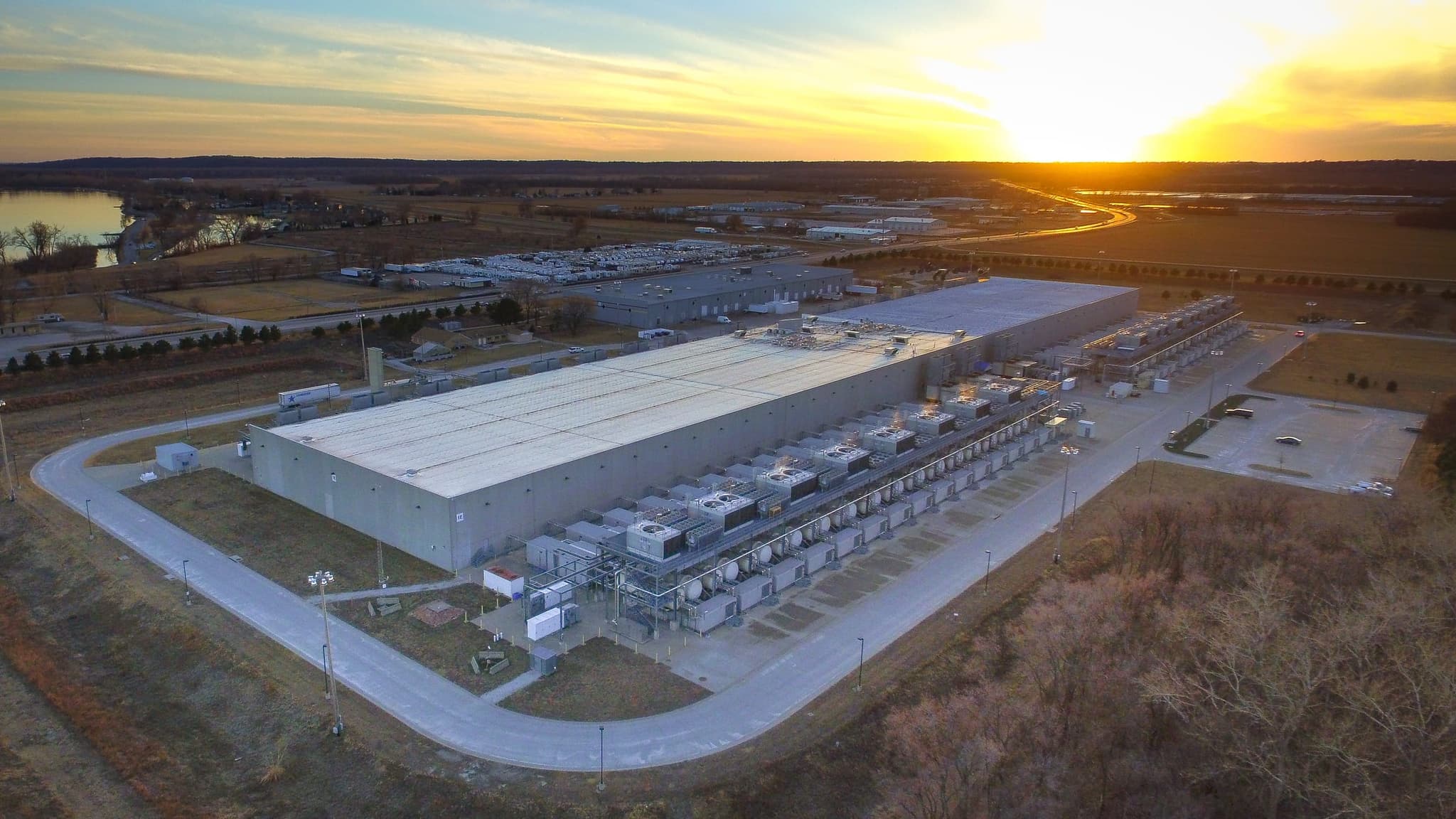
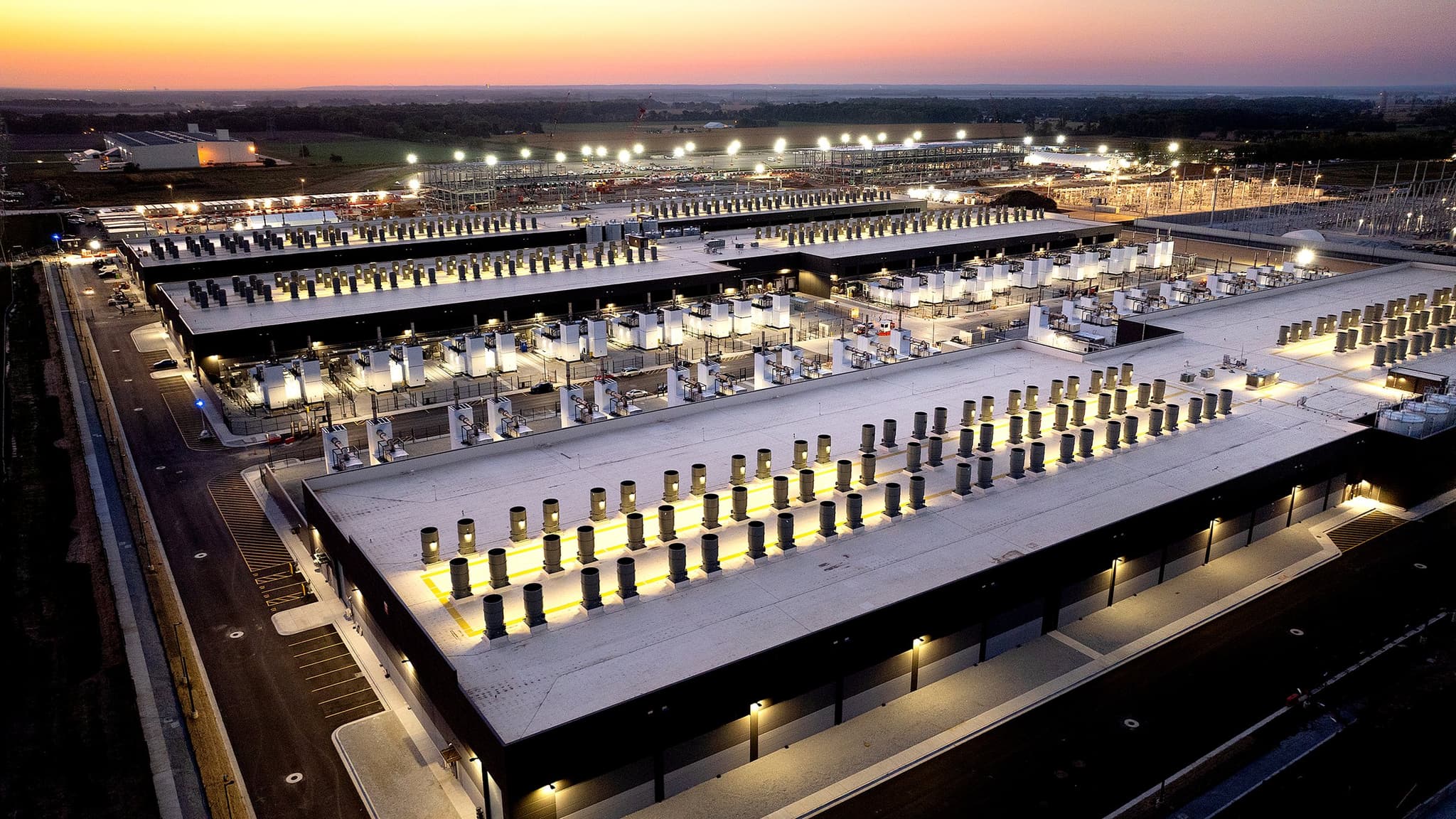
Amazon is paying for that demand ahead of the revenue it expects. Capital spending, net of proceeds and incentives as in Amazon's free cash flow measure, was $75.9 billion in the third quarter, up from $34.2 billion a year earlier and 79% more than the quarter's operating cash flow of $42.4 billion. Over 12 months it reached $210.7 billion, 125% of operating cash flow, against 89% a year earlier. Long-term debt rose to $173.1 billion from $65.6 billion at the end of 2025; our analysis of how the largest tech companies are financing the build-out covers the borrowing.
Amazon still expects cash capital expenditures of about $220 billion in 2026. Jassy raised that forecast from about $200 billion in July, citing the cost of memory, and said even that would not buy enough capacity for the year's demand, according to a transcript of that call. With $172.2 billion spent by September 30, the forecast implies about $48 billion in the fourth quarter, 37% less than in the third, by SaasBuzz's arithmetic. For 2027, Jassy said Amazon expects to "spend meaningfully more" and has a "clear line of sight to attractive financial returns," CNBC reported.
Amazon's commitments not yet recognized as revenue, primarily AWS contracts of more than a year, were about $496 billion at June 30, according to its second-quarter 10-Q, and Jassy said in July that they were growing at triple-digit rates. Amazon reports the figure in its 10-Q filings; the third-quarter one had not been filed as of 5:53 p.m. ET.
The fourth-quarter forecast
Amazon expects fourth-quarter net sales of $240.0 billion to $247.0 billion, up 12% to 16% from a year earlier. The range brackets the $244.5 billion analysts expected, according to LSEG data cited by CNBC, but its midpoint, $243.5 billion, is $1 billion lower. Operating income is guided at $28.5 billion to $33.5 billion, against $25.0 billion a year earlier, and Amazon expects advertising revenue to grow in the high teens.
The next tests are the backlog in the 10-Q, fourth-quarter spending against the roughly $48 billion the full-year forecast implies, the size of the 2027 plan, and whether AWS growth passes 40%, a rate it last reached in the fourth quarter of 2021 on Amazon's figures.