Microsoft (Nasdaq: MSFT) said revenue rose 19% to $92.3 billion in the first quarter of fiscal 2027, which ended September 30, as Azure, its cloud computing platform, grew 48% to $33.2 billion. The results, released October 28, were Microsoft's first under two new reporting segments and the first to give a current quarter's Azure revenue in dollars.
The quarterly filing released the same afternoon added a number the results release did not carry: $10.0 billion of revenue from OpenAI, the first time Microsoft has reported that figure for a single quarter. Microsoft shares rose 4% in extended trading after the report, CNBC reported.
Both numbers beat the forecasts Microsoft gave in July and restated on September 2 for the new segments: revenue of $89.85 billion to $90.95 billion, and Azure growth of 44% to 45% in constant currency. Analysts polled by LSEG had expected revenue of $90.69 billion and adjusted earnings of $4.73 a share, CNBC reported; Microsoft's non-GAAP figure was $4.89.
Results under the new segments
Agents and Infra holds Azure, Microsoft 365, server and Office licensing, Dynamics 365, LinkedIn's hiring and sales tools, and support services. Devices and Consumer holds search and advertising, Xbox and Windows. Year-earlier figures are as Microsoft restated them.
Measure | Q1 FY27 | Q1 FY26 | Change |
|---|---|---|---|
Revenue ($B) | 92.3 | 77.7 | +19% |
Agents and Infra revenue ($B) | 76.8 | 61.7 | +25% |
Devices and Consumer revenue ($B) | 15.5 | 16.0 | -3% |
Azure revenue ($B) | 33.2 | 22.4 | +48% |
Microsoft Cloud revenue ($B) | 63.9 | 49.1 | +30% |
Operating income ($B) | 45.9 | 38.0 | +21% |
Diluted EPS, GAAP | $4.92 | $3.72 | +32% |
Diluted EPS, non-GAAP | $4.89 | $4.13 | +18% |
Capex incl. finance leases ($B) | 45.2 | 34.9 | +30% |
Free cash flow ($B) | 18.6 | 25.7 | -27% |
Source: Microsoft's results release, 10-Q and investor relations financial statements. Non-GAAP figures exclude gains and losses on investments in OpenAI; free cash flow is cash from operations minus additions to property and equipment.
Operating margin rose to 49.8% from 48.9%. Microsoft Cloud, which the filing says “includes Azure, Microsoft 365 commercial cloud, and Industry solutions cloud,” grew 30% to $63.9 billion, and its gross margin fell to 66% on the shift in sales toward Azure, Microsoft said. Microsoft 365 commercial cloud revenue rose 17%. Amy Hood, executive vice president and chief financial officer, said it came in ahead of expectations on GitHub Copilot adoption, “partially offset by weaker sales execution in our M365 E3 and standalone SKUs.”
Devices and Consumer revenue fell 3% to $15.5 billion as Windows OEM and devices revenue dropped 22%, which the filing attributed to “the benefit from Windows 10 end of support demand in the prior-year, inventory drawdowns by OEM and channel partners, as well as weaker PC market demand.”
What Microsoft counts as revenue from OpenAI
The OpenAI figure is one sentence in the first note to the 10-Q's financial statements:
For the three months ended September 30, 2026, we recorded revenue from commercial arrangements with OpenAI, inclusive of revenue-sharing payments, of $10.0 billion.Microsoft's Form 10-Q, filed October 28, 2026
Microsoft holds about 24% of OpenAI on an as-converted basis, under the equity method, which makes OpenAI a related party under the accounting standard ASC 850; the filing says Microsoft discloses the revenue and receivables from their transactions in accordance with it. Receivables from OpenAI rose to $7.2 billion at September 30 from $6.0 billion at June 30.
None of Microsoft's three 10-Q filings for fiscal 2026 gave the figure. The annual report filed July 29 gave $24.1 billion for the whole year, an average of about $6.0 billion a quarter. The September quarter alone equals 41% of that total and about 11% of Microsoft's revenue for the quarter.
The filing does not say which revenue lines the $10.0 billion falls in, or how much of it is revenue sharing. Nor is it part of the non-GAAP adjustment, which removes only the net gains and losses on Microsoft's investments in OpenAI, a $272 million pre-tax gain this quarter.
OpenAI has also been a large part of the backlog. On the January earnings call, Hood said about 45% of the commercial remaining performance obligation, contracted revenue not yet recognized, came from OpenAI, out of $625 billion then. The total stood at $677 billion at September 30, up 73% from a year earlier, after a smaller seasonal dip than usual, which Hood said reflected “the large Azure commitment this quarter.” Microsoft gave no OpenAI share this time. Commercial bookings fell 12%, which Hood said was “driven by the impact from large Azure commitments in the prior year.”
What the Azure dollar figures show
Through fiscal 2026, Microsoft's filings reported Azure as the growth rate of a broader “Azure and other cloud services” measure, inside a server products and cloud services revenue line, and its size came in round numbers: in July 2025, Satya Nadella, chairman and chief executive officer, said Azure “surpassed $75 billion in revenue” in fiscal 2025. On September 2, Microsoft restated eight quarters under a narrower definition that moved GitHub and healthcare cloud services elsewhere, running from $16.0 billion in the September 2024 quarter to $29.4 billion in June 2026, and $72.6 billion for fiscal 2025.
Quarter ended | Azure revenue ($B) | Azure growth | Commercial RPO ($B) |
|---|---|---|---|
Sep 2025 | 22.4 | 40% | 392 |
Dec 2025 | 24.1 | 39% | 625 |
Mar 2026 | 26.0 | 40% | 627 |
Jun 2026 | 29.4 | 42% | 678 |
Sep 2026 | 33.2 | 48% | 677 |
Source: Microsoft's September 2 restatement and investor relations financial statements; growth from a year earlier, as reported.
Azure made up 52% of Microsoft Cloud revenue in the quarter, up from 46% a year earlier. Its $3.7 billion gain over the June quarter is the largest in the nine quarters published, and on the restated figures Azure overtook Microsoft 365 cloud, $27.8 billion this quarter, as Microsoft's largest product line in the March 2026 quarter. Azure brought in $101.9 billion in fiscal 2026.
Hood said Azure came in ahead of expectations despite delayed third-party capacity, helped by Foundry, Microsoft's service for building AI applications and agents, whose revenue more than tripled, and by finding and selling unused capacity in its CPU fleet. Alphabet reported Google Cloud revenue of $30.7 billion for the same quarter, up 103%, though that segment also includes Workspace and sales of TPU systems.
Capital spending fell short of plan
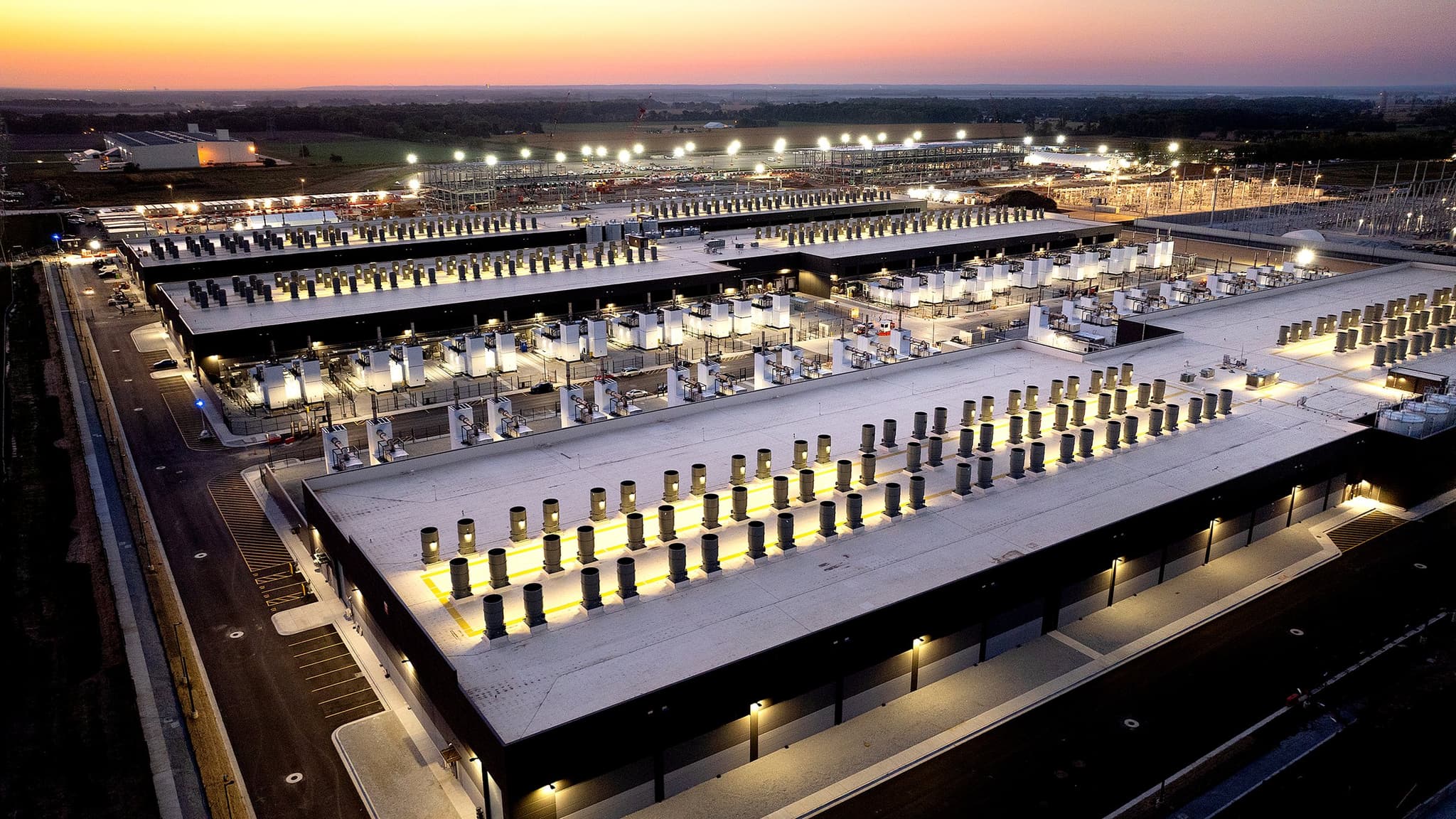
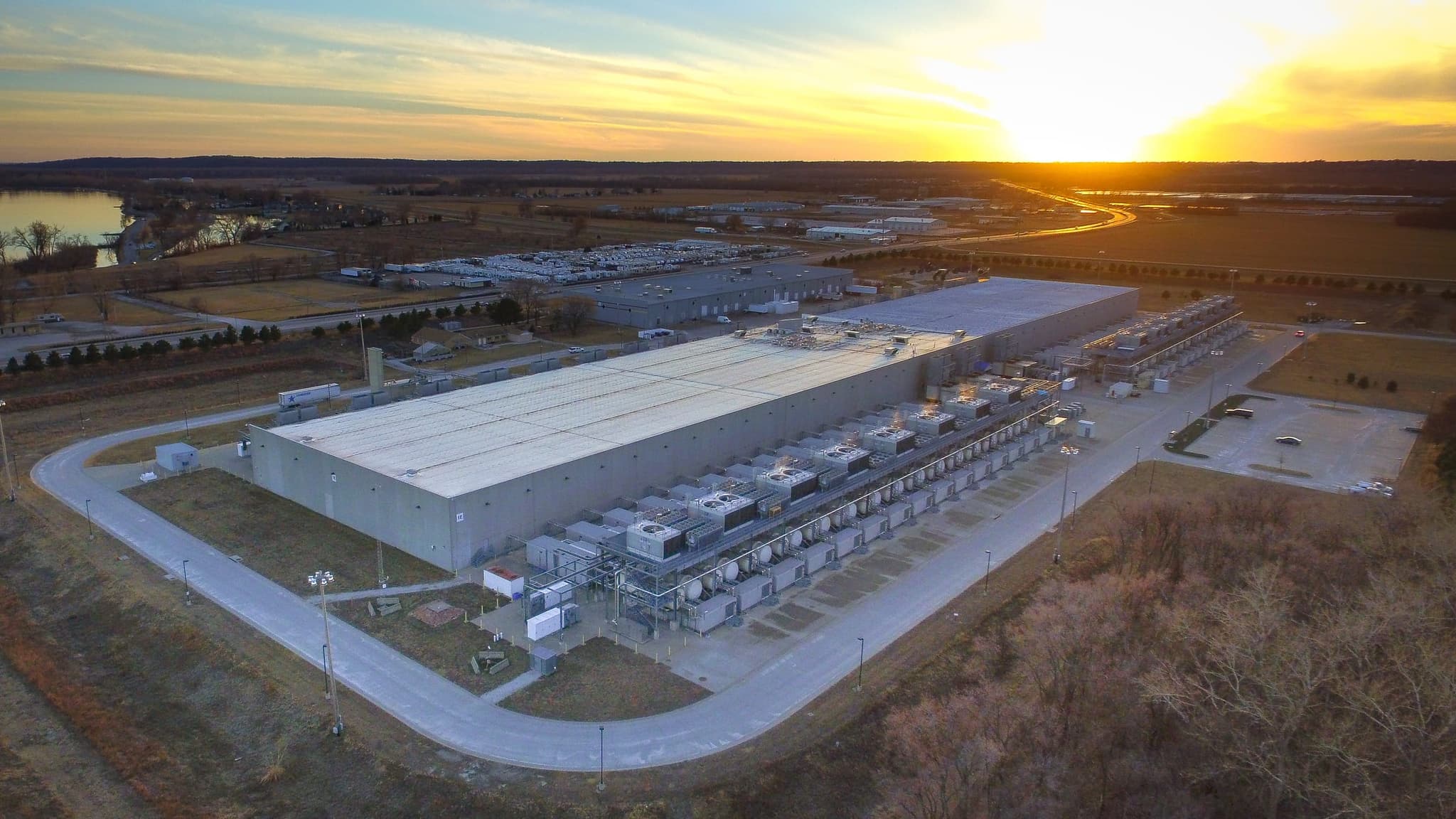
Capital expenditures, including finance leases, were $45.2 billion, up 30% from a year earlier but below the more than $50 billion Microsoft had guided. Hood said on the earnings call that “some third-party capacity deliveries we expected in Q1 were delayed,” and that some third-party GPU-as-a-service contracts had moved into the first half of calendar 2027. Cash paid for property and equipment roughly doubled to $39.4 billion. Nadella said Microsoft added 24 datacenters on five continents in the quarter.
Hood now expects about $170 billion of capital spending in calendar 2026, down from roughly $175 billion on the July call. With $72.9 billion spent from January to June and $45.2 billion in the September quarter, that leaves about $52 billion for the December quarter, in line with her guidance of more than $50 billion.
Part of the build-out sits outside capex. Microsoft now depreciates datacenters over 25 years instead of 15, which Hood said in July would shift more future datacenter leases from finance leases, counted in capex, to operating leases, which are not. Leases not yet commenced, mostly for datacenters and some subject to contractual conditions, reached $364.6 billion at September 30, from $106.2 billion a year earlier.
Free cash flow fell 27% to $18.6 billion, reflecting the higher spending, Hood said. Microsoft expects to stay free cash flow positive in fiscal 2027 and “will access additional sources of funding when we believe it is attractive to do so,” she said.
The outlook for the December quarter
For the quarter ending December 31, Microsoft guided revenue of $96.0 billion to $97.1 billion, up 18% to 19%; analysts polled by LSEG had expected $95.60 billion, CNBC reported. Agents and Infra should bring in $80.1 billion to $80.7 billion and Devices and Consumer $15.9 billion to $16.4 billion, with Windows OEM and devices revenue down in the mid-thirties percent.
Hood guided Azure growth of 49% to 50% in constant currency and expects no meaningful currency effect on segment revenue growth. If reported growth matches, Azure would reach about $36 billion, from $24.1 billion a year earlier. “Customer demand continues to exceed available supply,” she said.
Cost of revenue is guided up 26% to 27% and operating expenses up 9%, both including an estimate for the voluntary exit offer for employees that Microsoft announced on October 26. Hood expects operating margin to be down slightly from a year earlier, and capital spending above $50 billion.
Next quarter's tests: whether Azure reaches 49% to 50%, whether the delayed GPU capacity arrives in the first half of 2027, and whether Microsoft again says how much of its backlog is OpenAI's.